sources: Cambridge Lower Secondary Science Stage 9 – Student’s Book, Our lovely science teacher ❤
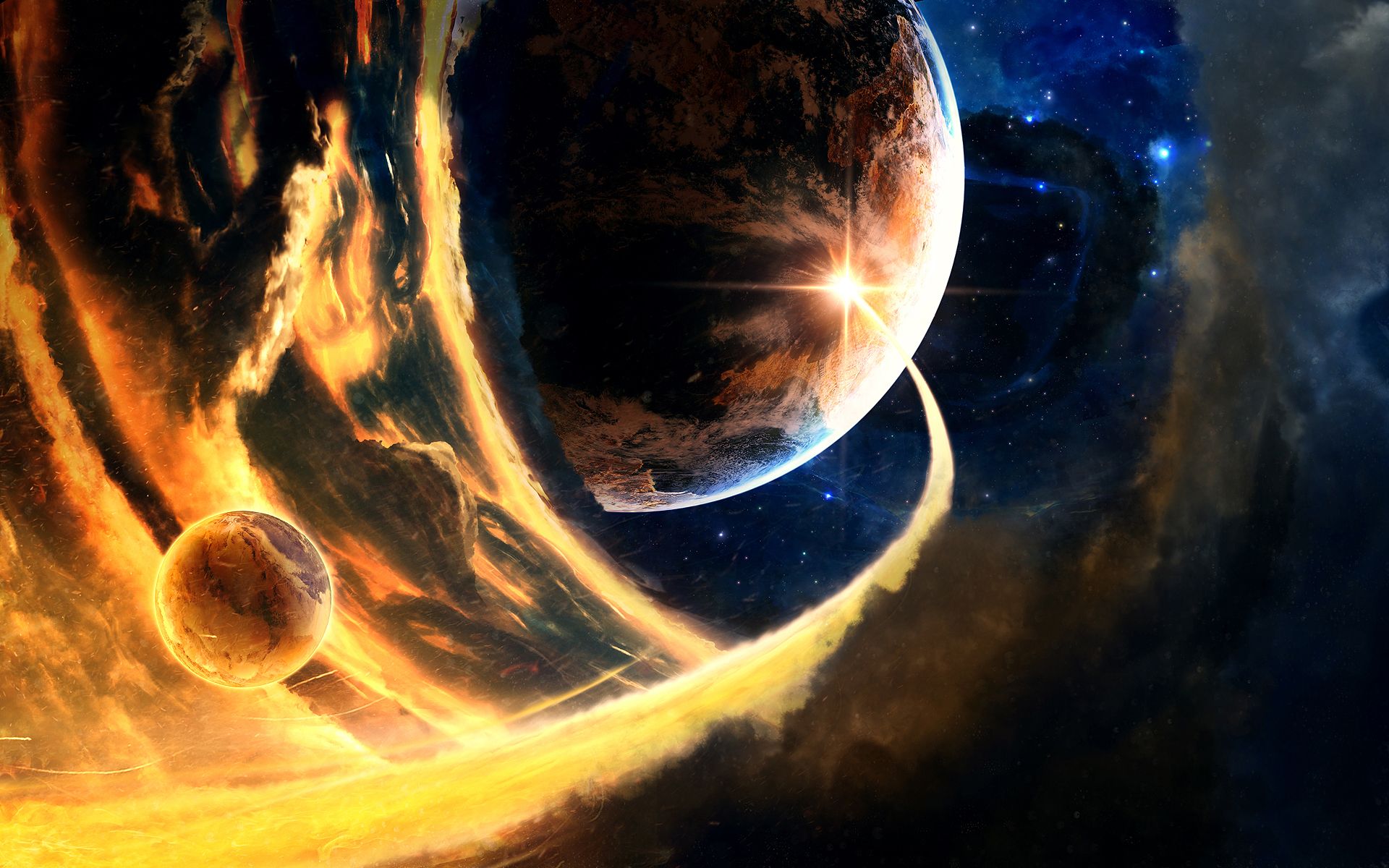
Ideas about how the Moon formed
After the Sun and planets started to form in our Solar System, it took at least 100 million years for the Moon to form. We know this because samples of rock from the Moon have been analysed and their age determined.
Scientists produced three main ideas for how the Moon formed:
Capture hypothesis:
the idea that the Moon is a large asteroid that has been pulled into orbit around the Earth
Co-formation hypothesis:
the idea that the Moon and Earth formed together, close to each other, at the same time
Collision hypothesis:
the idea that a large object roughly the same size and mass as the planet Mars collided with Earth, releasing rocks that were pulled together to form the Moon
The Moon and its evidence
So far, the evidence collected most strongly supports the collision hypothesis.
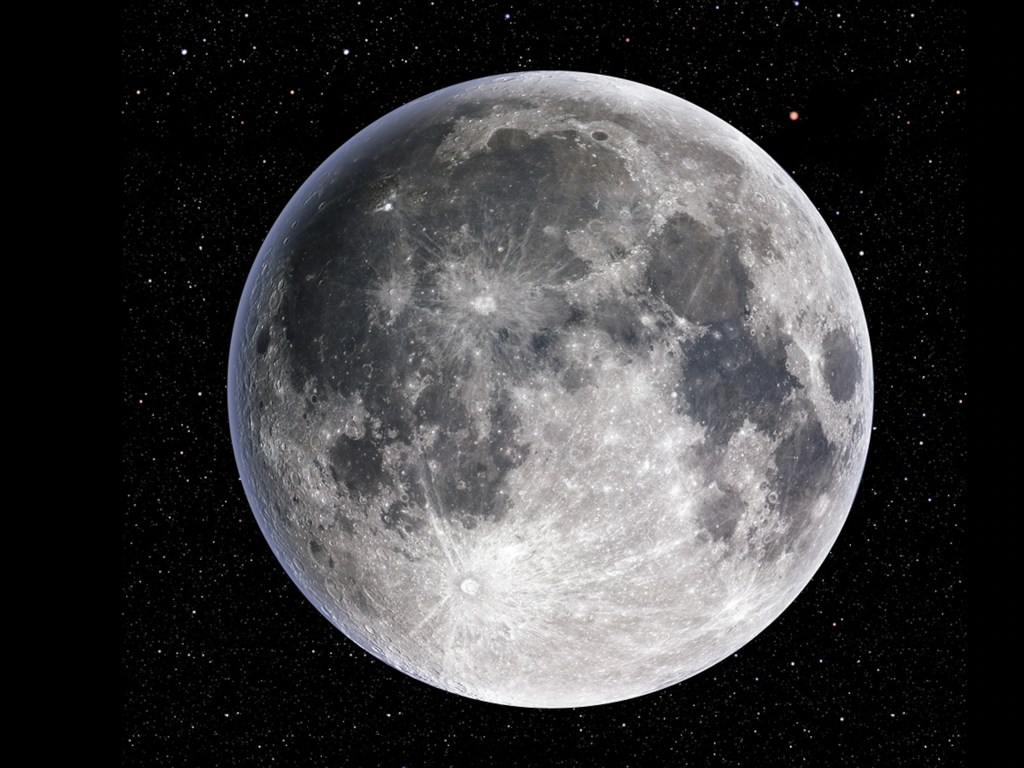
The evidence:
- It is very evenly round
- The surface is grey and rocky
- Some areas of the surface appear smooth, and other areas covered by circular dips called craters
- From Earth, we can only see one half of the surface – the same half points towards us at all times
- The roudness suggests the Moon has fromed and been made stable mainly due to its own gravity
- There appears to be no surface water and no life of any kind
- There is no atmosphere
- There are no volcanoes and no tectonic plates
- The craters show that many smaller objects have collided with the surface of the Moon
- The Moon must rotate around its own axis at exactly the same speed as the Moon orbits the Earth. This suggests the orbit of the Moon around the Earth has been stable for a very long time – many hundreds of millions of years
Asteroid collisions
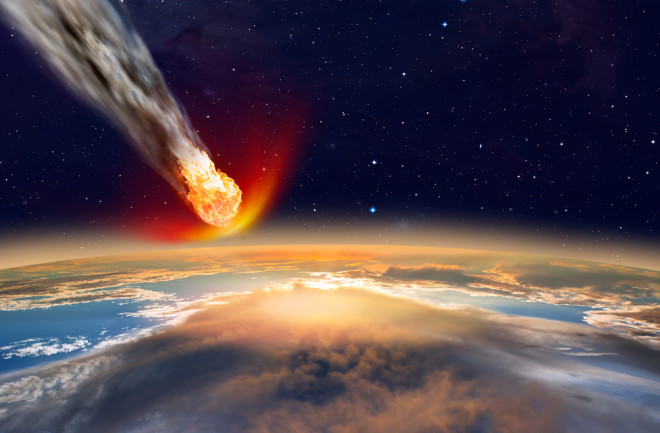
- An asteroid that enters the atmosphere is a meteor
- Most of the meteor is burnt away in the atmosphere
- Small part of the meteor is left, called a meteorite
- Makes a large crater depsite its small size
Effects of asteroid collisions
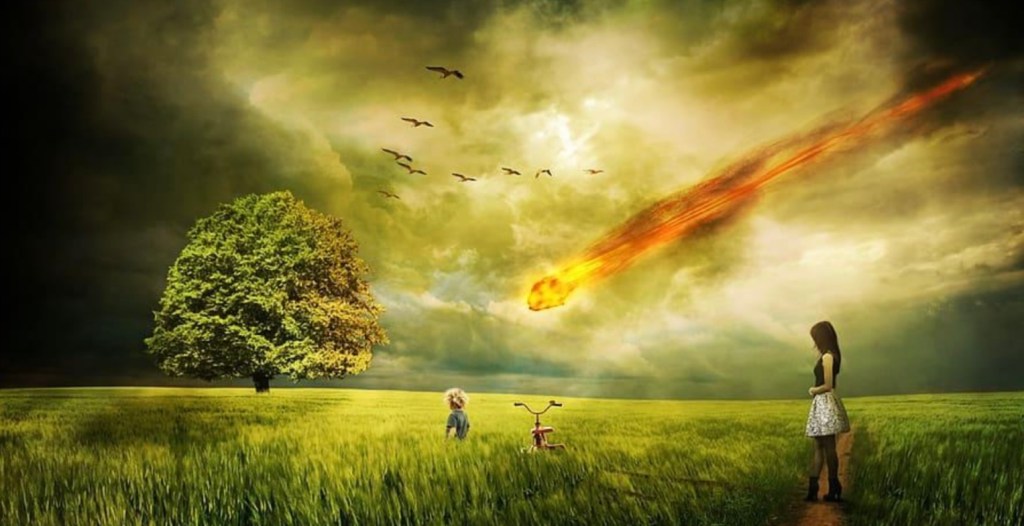
- melting or exploding rocks thrown large distances from the point of impact
- blasts of intense heat radiating outwards from the impact
- shock waves, in which air around the impact is squeezed into a smaller volume, causing rings of very high pressure that expand outwards at high speed
- sudden gusts of wind at extreme speeds
- tsunamis, if the impact is in or near an ocean
- shaking of the Earth’s crust
- clouds of dust and gas thrown high into Earth’s atmosphere
Nebulae
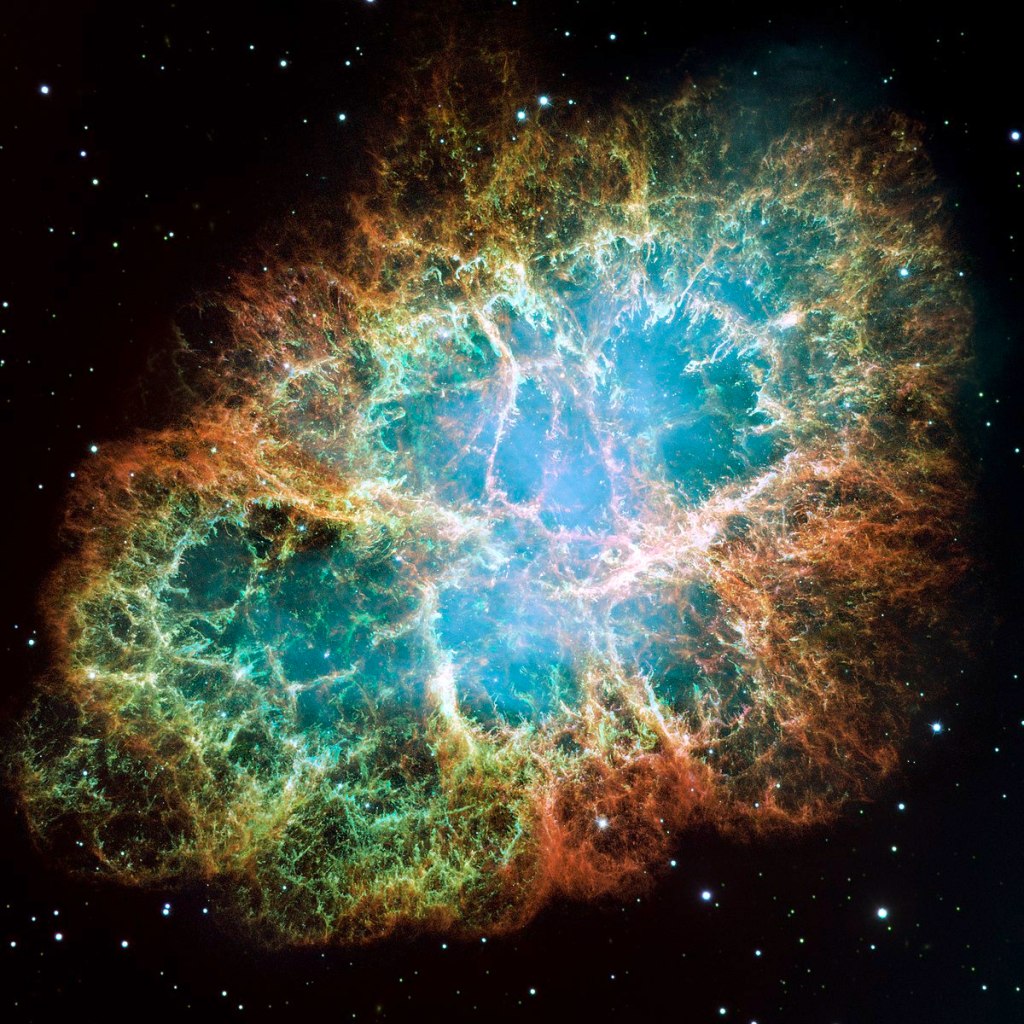
- Gas and dust gathered together into clouds
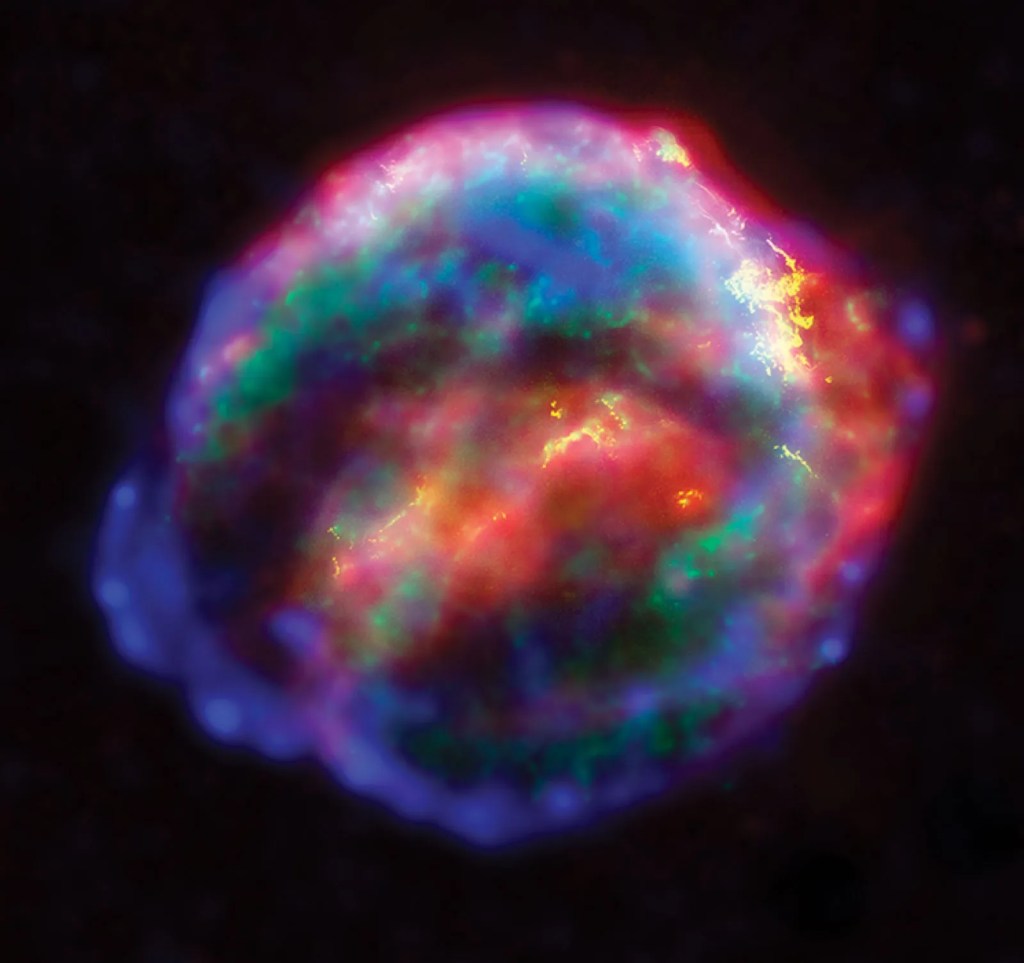
- Some are produced when a large star explodes
- Some are produced by gravitional forces
Star formation
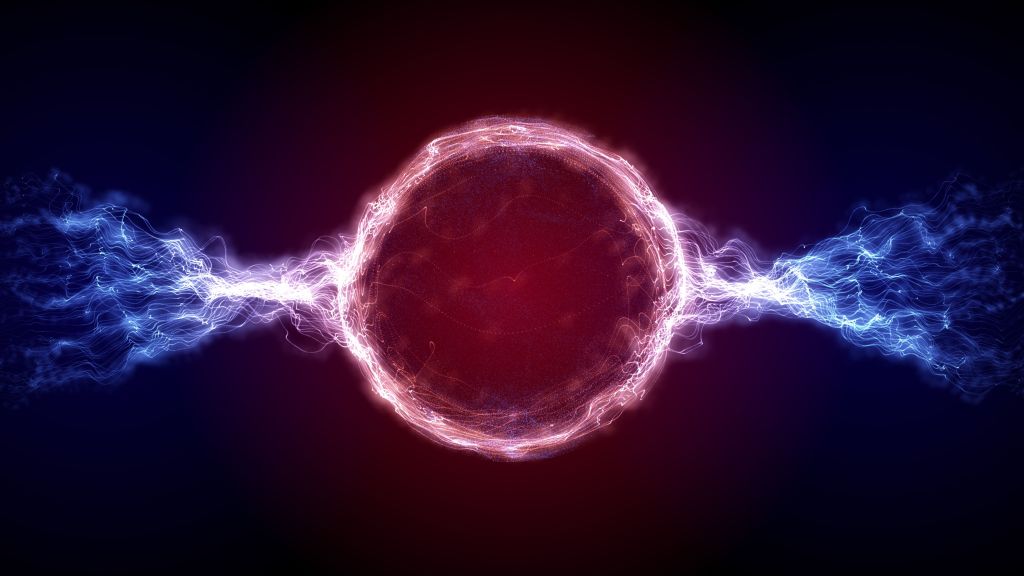
nuclear fusion:
process in which the nuclei of two atoms are merged together, realeasing large amounts of energy
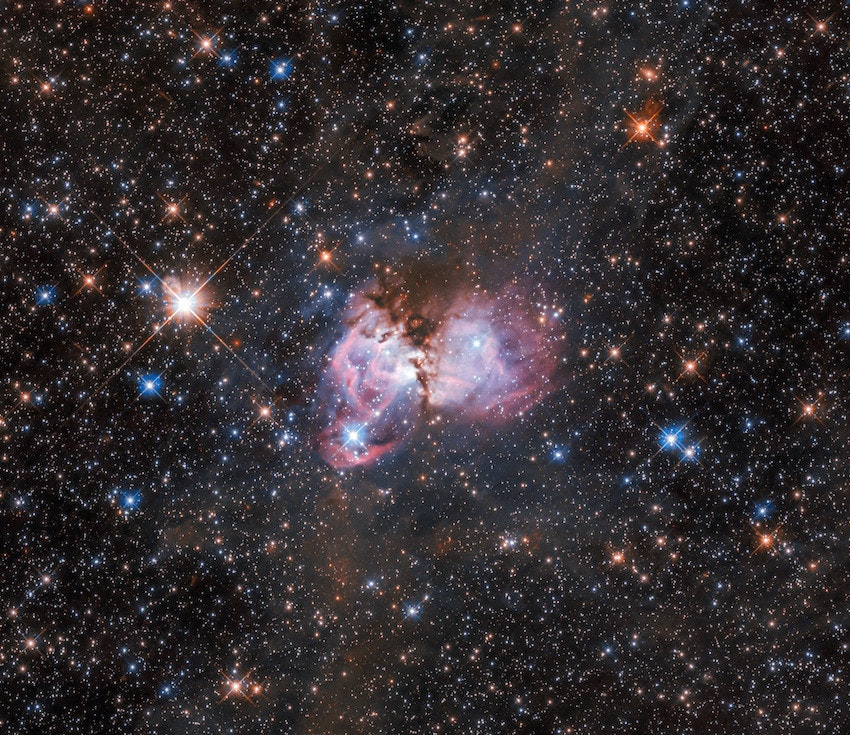
stellar nursery:
the dense part of a nebula in which new stars are formed
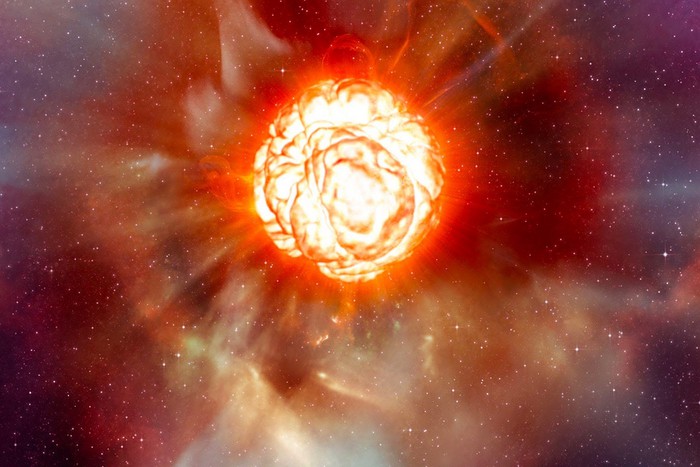
red supergiant:
a huge, red-coloured star that is formed when a massive star expands towards the end of its life
supernova:
the explosion of a massive star at the end of its life, which produces a nebula
 Science in a Nutshell