sorces: Cambridge Lower Secondary Science Stage 9 – Student’s Book, Our lovely science teacher ❤
Resources and adaptation
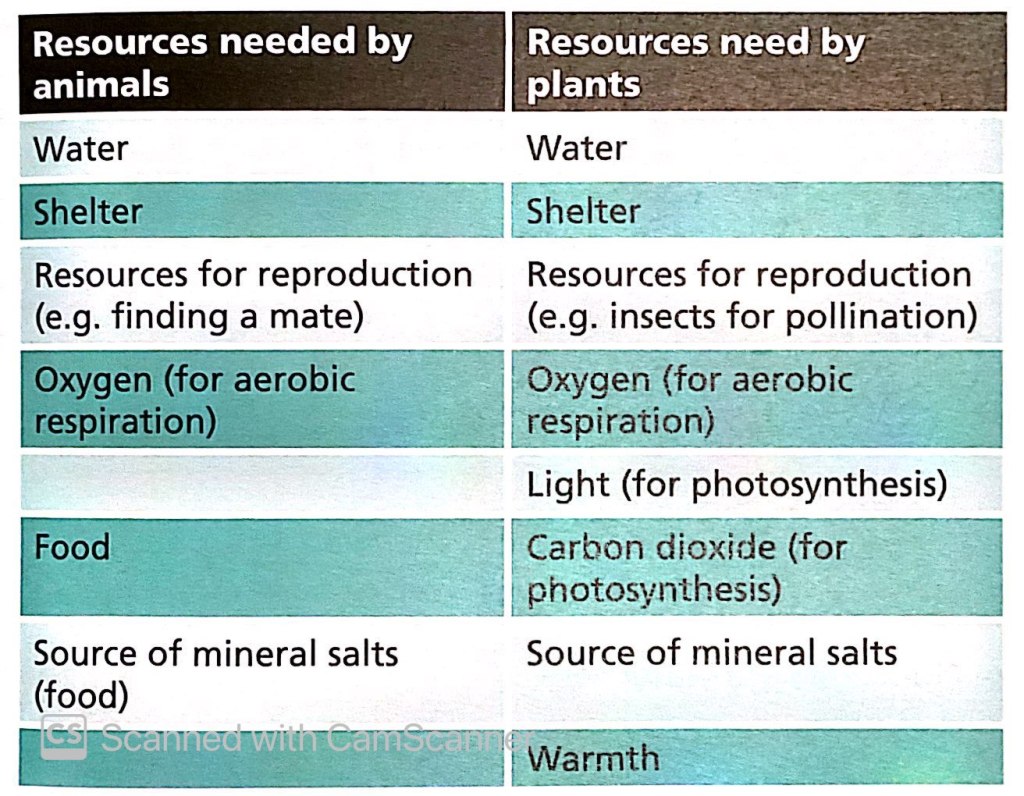
To survive and reproduce in an ecosystem, organisms need resources. The table shows resources needed by plants and animals.
- An adaptation is a feature of a species that helps it to survive in its environment in an ecosystem.
- Animal adaptations include coat colour and thickness, size of the animal and the structure of the feet and claws. Adaptations of plants include leaf shape and size, distribution of stomata and the size of the plant.
- An organism’s adaptations are caused by the genes in its cells. Different organisms of the same species inherit slightly different combinations of genes, so any adaptations inherited can show differences.
Adaptations to life in desert
Deserts are extreme environments. They are very dry and may be very hot during the day and cold at night. Due to these conditions, few plants live in the desert.
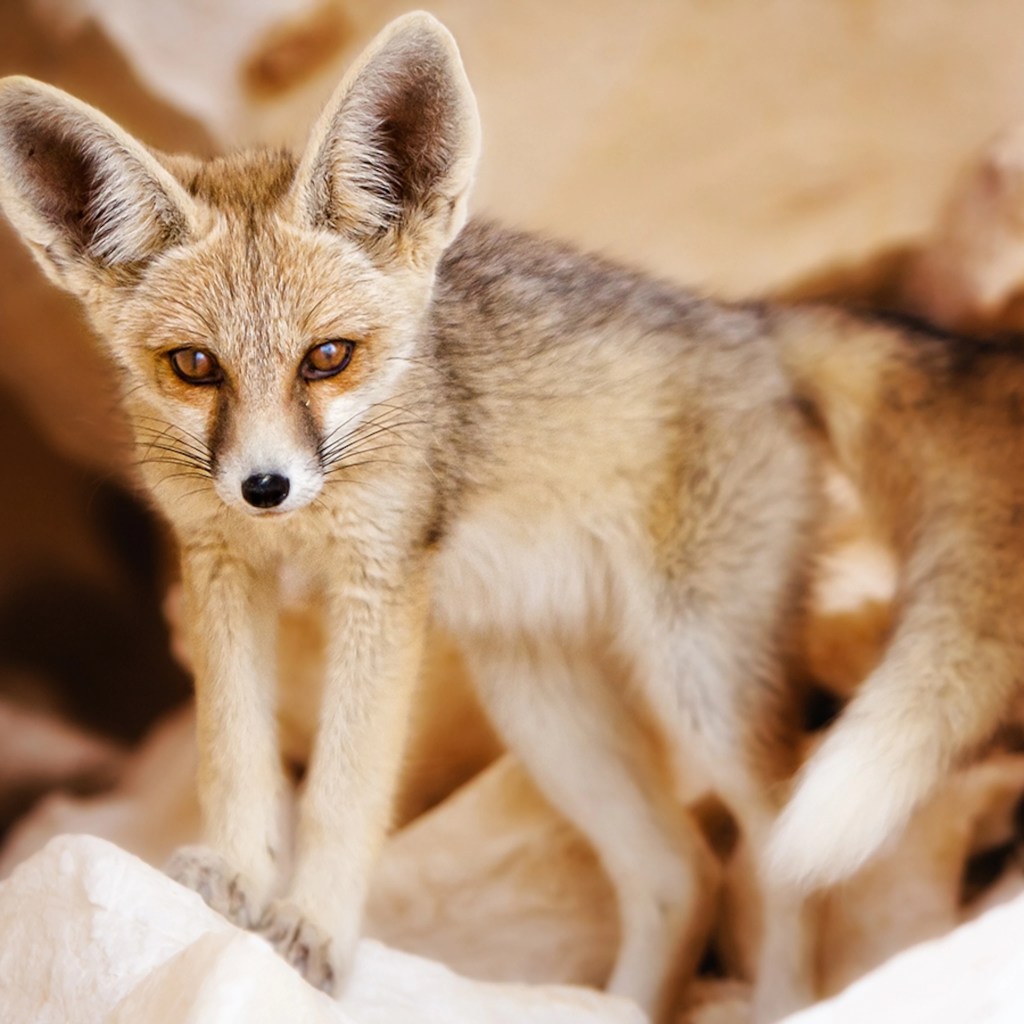
Physical adaptations of desert foxes:
- Sndy coloured fur for camouflage
- Large ears for hearing predators, and to help them lose heat
- Fur on the underside of their paws to help protect their feet from hot sand
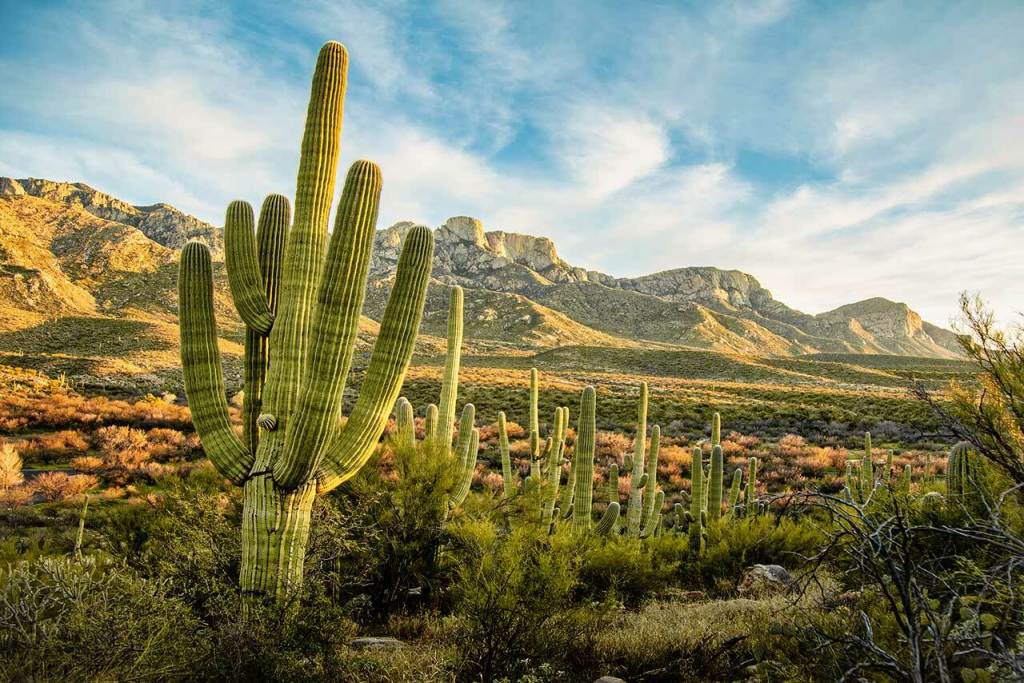
Cactus plants are well known for growing in American deserts. Cacti have many adaptations that help them to survive where there is very little water:
- spines instead of leaves to reduce water loss through transpiration
- a thick waxy covering to reduce water loss through evaporation
- a special tissue in the stem to store water
- wide-spreading roots that are able to absorb water very quickly
Adaptations to life in polar regions
The regions near the Earth’s Noth Pole (Arctic) and South Pole (Antarctic) are very cold, and covered with much snow and ice. Many organisms survive in this extreme environment, icluding snowy owls.
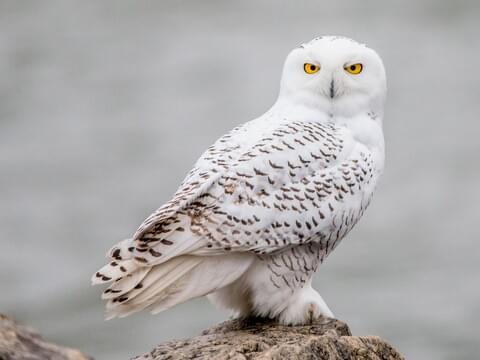
Physical adaptations of snowy owls:
- White featers for camouflage
- Thick feathers for insulation
- Large talons (claws) on their feet to catch prey
Factors affecting the size of populations
- Many different factors affect the size of a population of organisms.
- Some factors are physical (non-living) such as temperature, sunlight, water availability and pollution.
- If there is a permament change in a physical factor, it may mean that an organism dies out in that are altogether.
- Adaptations for one ecosystem may not help organisms to survive if the conditions in the ecosystem change.
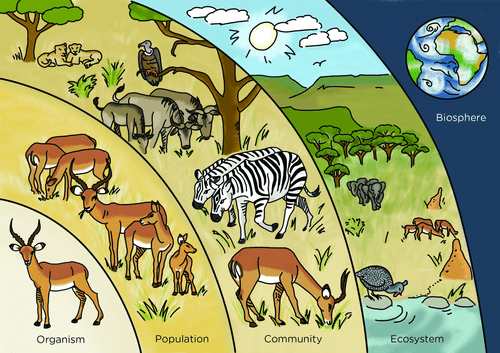
Predator-prey interactions
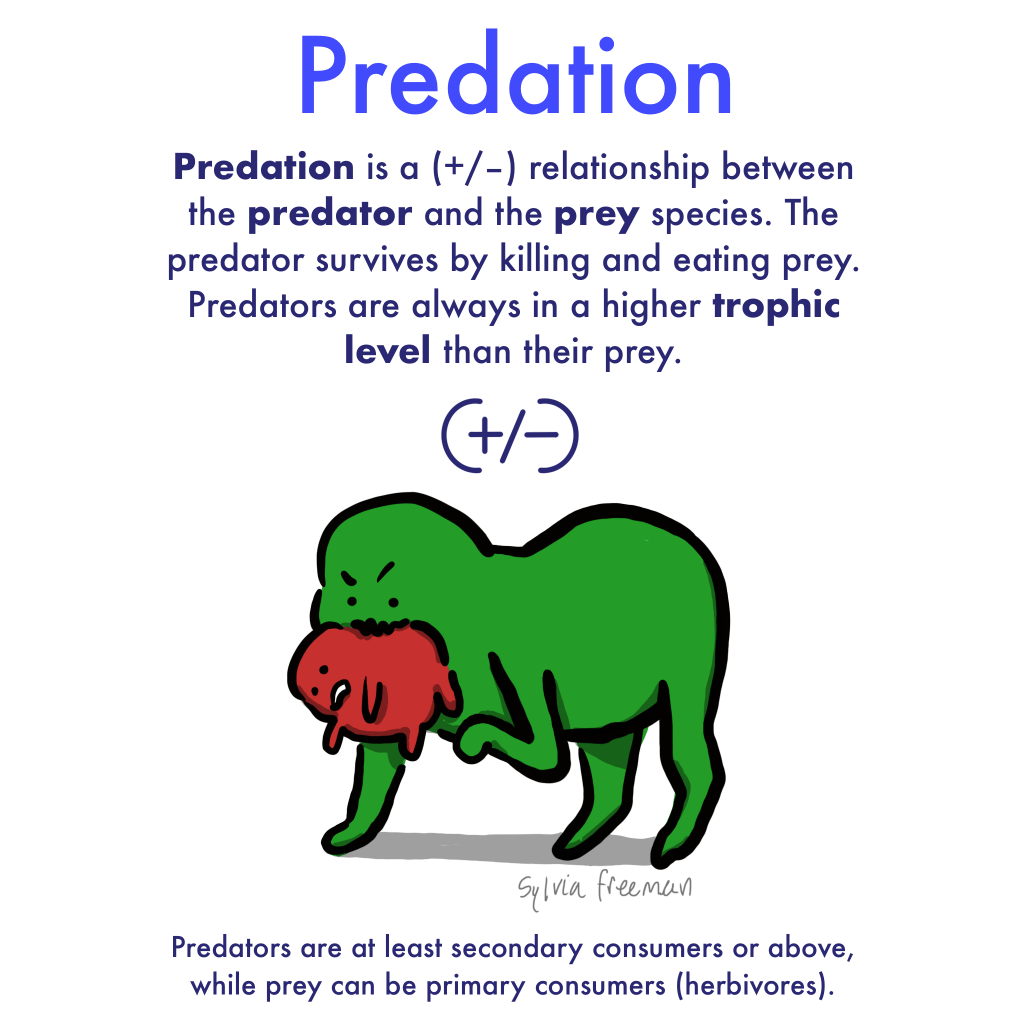
The size of a population of organism in an area is also affected but living factors – other organisms. These living factors may spread diseases or compete for resources or they may eat other organisms in the same area.
Extinction
Any change in the physical or living factors in an ecosystem will change the populations of organisms. If a change is permament, then some species may die out altogether and become extinct.
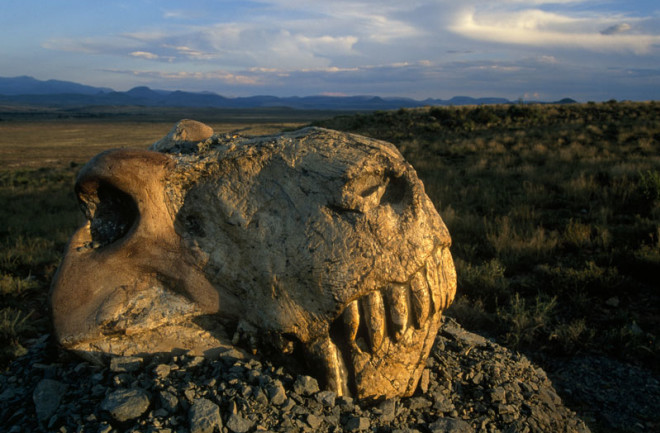
Some factors that cause extinction:
- New diseases
- Competition from an invasive species
- Eaten by an invasive species
- Hunting and poaching
- Catastrophic events
- Habitat destruction
- Change of physical factors in an environment
 Science in a Nutshell