sources: Cambridge Lower Secondary Science Stage 9 – Student’s Book, Our lovely science teacher ❤
Discontinuous and Continuous Variation
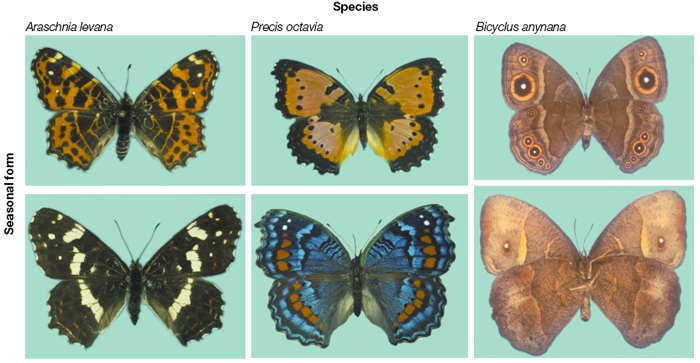
Discontinuous Variation
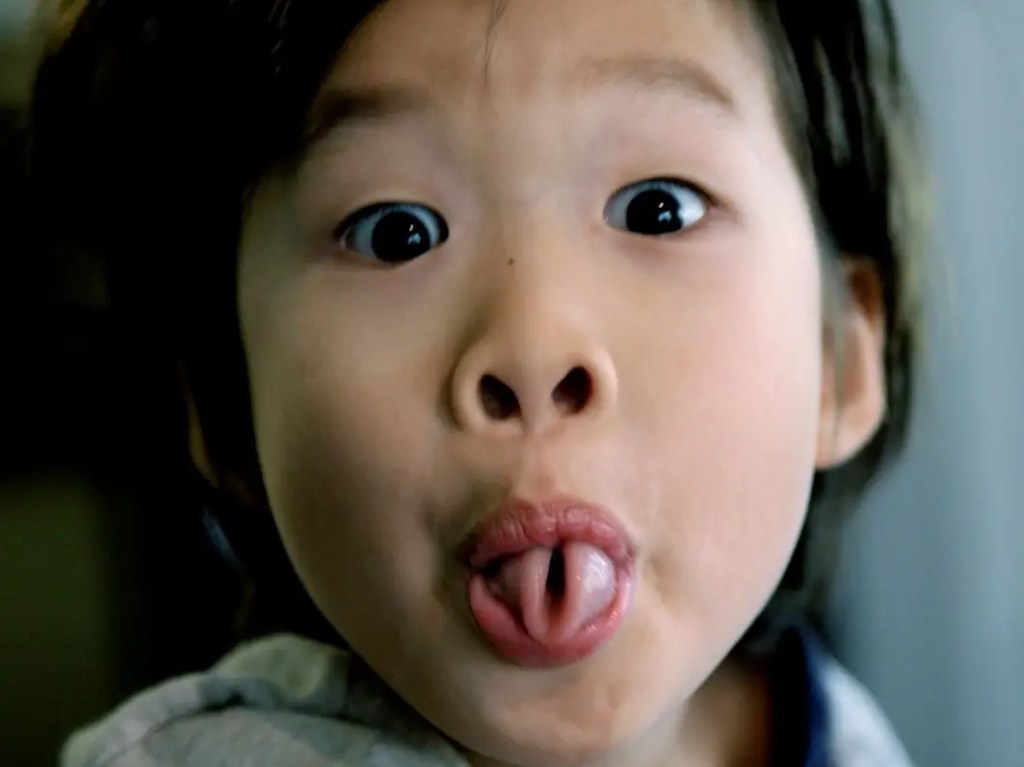
Variation with a distinct set of options is discontinuous variation. For example, some people are able to roll their tongues and others are not. There are only two possible options in the characteristic of tongue rolling – ‘able to roll’ and ‘not able to roll’.
Continuous Variation
Some variation does not have a set of distinct options but varies gradually. This is called continuous variation. Examples include human skin colour and human height.
To show continuous variation on a bar chart, we put the data into groups of smaller ranges. These ranges must not overlap and must all be the same size.
Causes of variation
Environmental variation
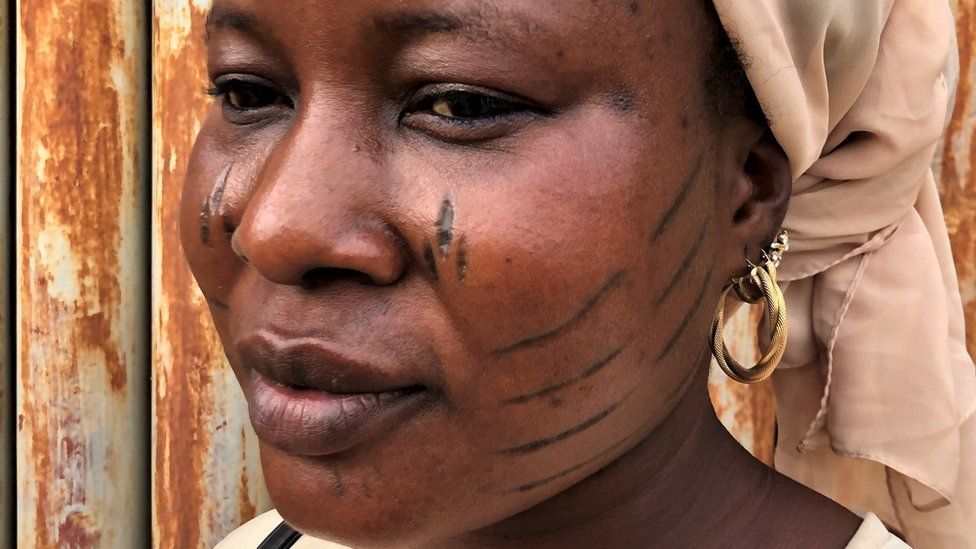
It’s a variation caused by the environment. It happens when things in the surroundings cause changes to an organism.
In humans, having a scar caused by an accident, the languages you speak, and the length of your hair are all examples of environmental variation.
Inherited variation
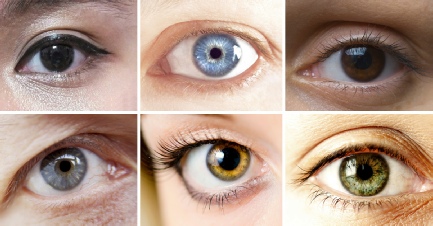
It’s a variation caused by parents. For example, in humans you inherit your natural eye and hair colours. These are variations that you are born with.
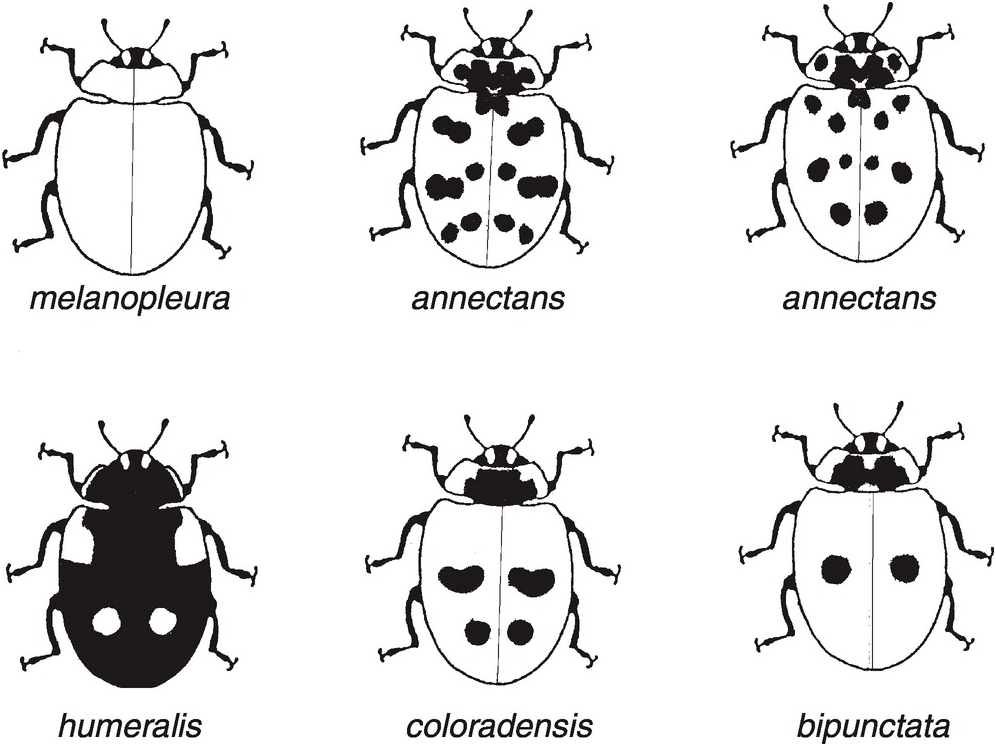
Some variation is both inherited and environmental. For example, you inherita certain skin colour but this can be changed by sunlight. some songbirds inherit a basic song pattern, which then alters when the bird hears the song of other birds.
Chromosomes, genes and DNA
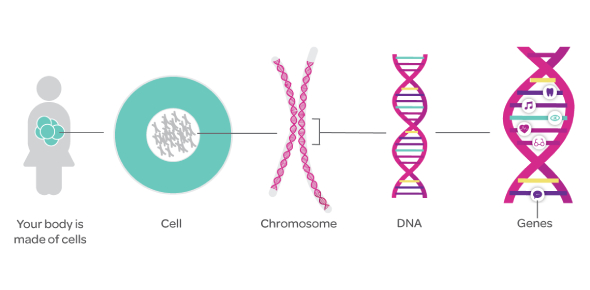
DNA
DNA is a substance found in the nucleus of every cell in an organism. It carries information about how the organism develops and functions. It is the organism’s genetic material.
Chromosomes
One extremely long DNA molecule is folded up together with some proteins to form a structure called chromosome. Different species have different numbers of chromosomes in their nuclei. For example, there are 46 chromosomes inside the nucleus of almost every cell in humans.
Genes
Certain sections of a DNA molecule in a chromosome contain instructions for a characteristic. These sections are called genes. Genes control characteristics such as fur colour or eye colour. Sometimes a single gene controls how a characteristic develops, but usually many genes act together to determine the characteristic.
Sexual reproduction
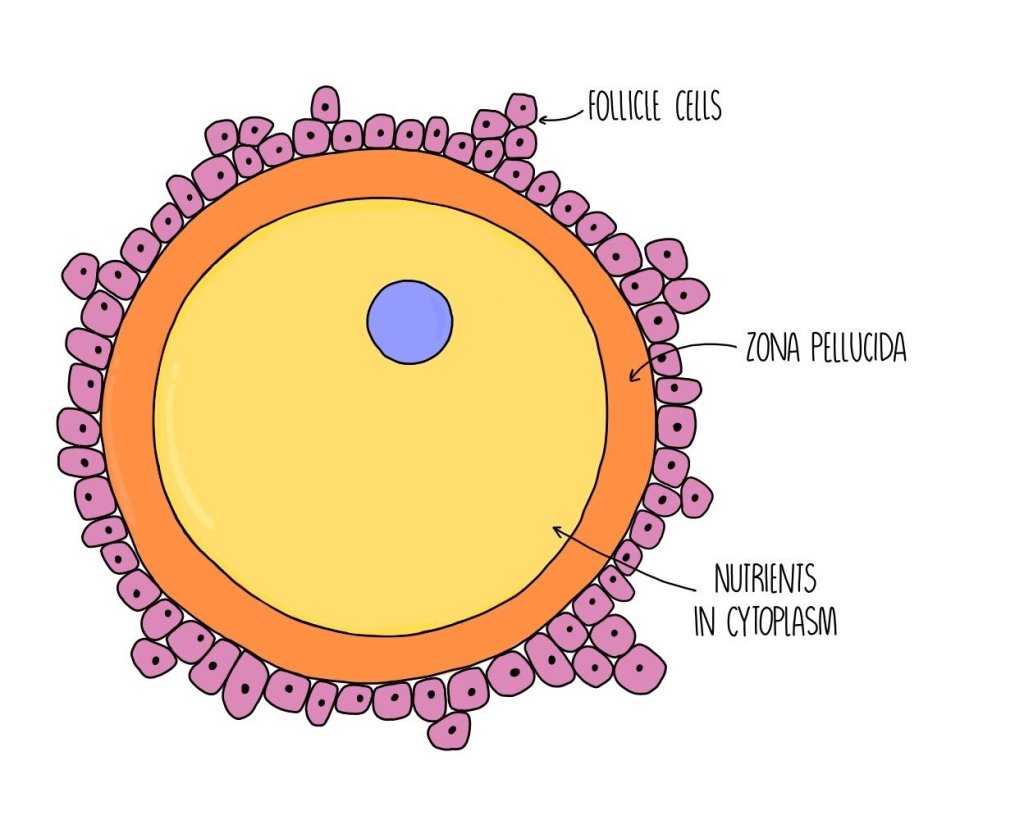
Most larger organisms reproduce using sexual reproduction, which means that males and females are needed to produce offspring.
For sexual reproduction to occur, an organism needs to produce gametes (or sex cells). These are specialised cells and their nuclei only contain half the normal number of chromosomes.
For sexual reproduction to occur, a male gamete and a female gamete need to join together, so that their two nuclei can become one. This process is called fertillisation and forms a fertillised egg cell. The nucleus of the fertillised egg cell contains the full number of chromosomes.
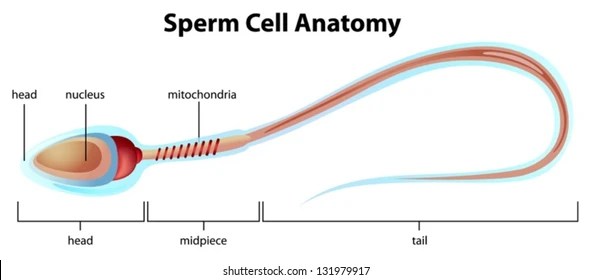
a human sperm cell has a tail and a streamlined shape to help it swim
Fertillisation in humans
The tip of a sperm cell contains substances that allow it to break through the jelly layer and cell membrane of the egg cell. Only one sperm cell can break through the jelly coat of the egg cell. Once the sperm cell haas broken through the layers, the nuclei of the sperm cell and egg cell fuse together.
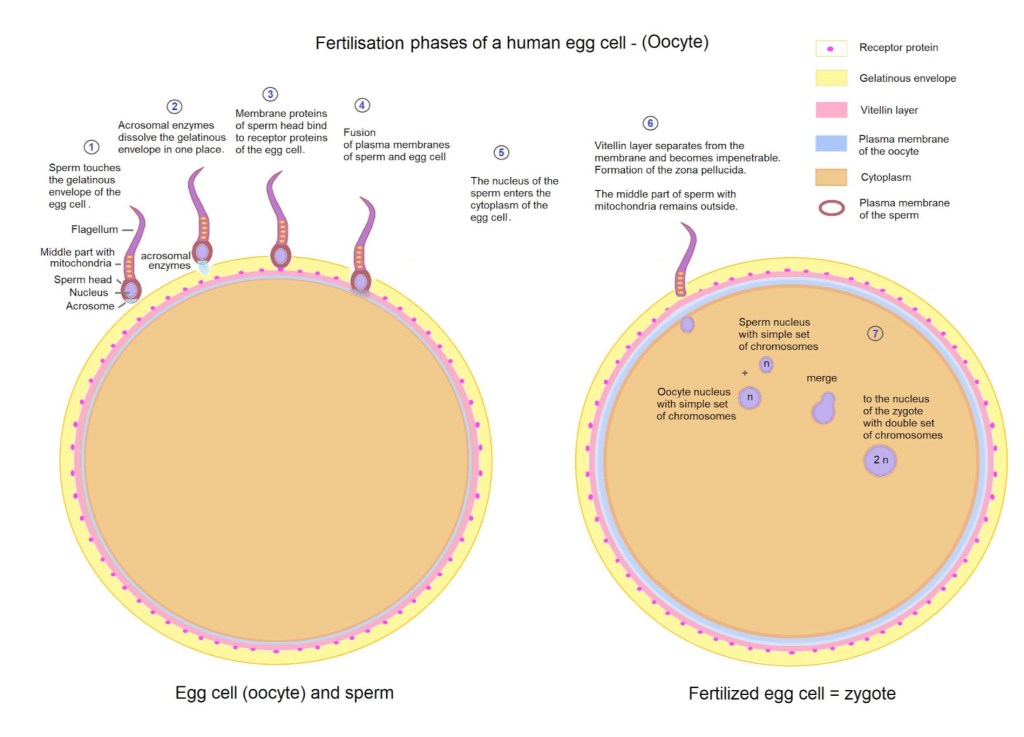
Human chromosomes
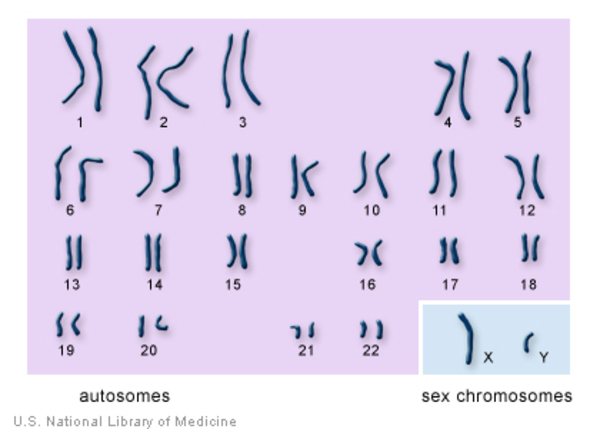
There are 23 different types of chromosomes in humans. Each type is a different size. A fertillised egg cell gets two copies of each type of chromosome – one copy from ther father and one copy from the mother. Together, there are 46 chromosomes in a cell.
Sex determination
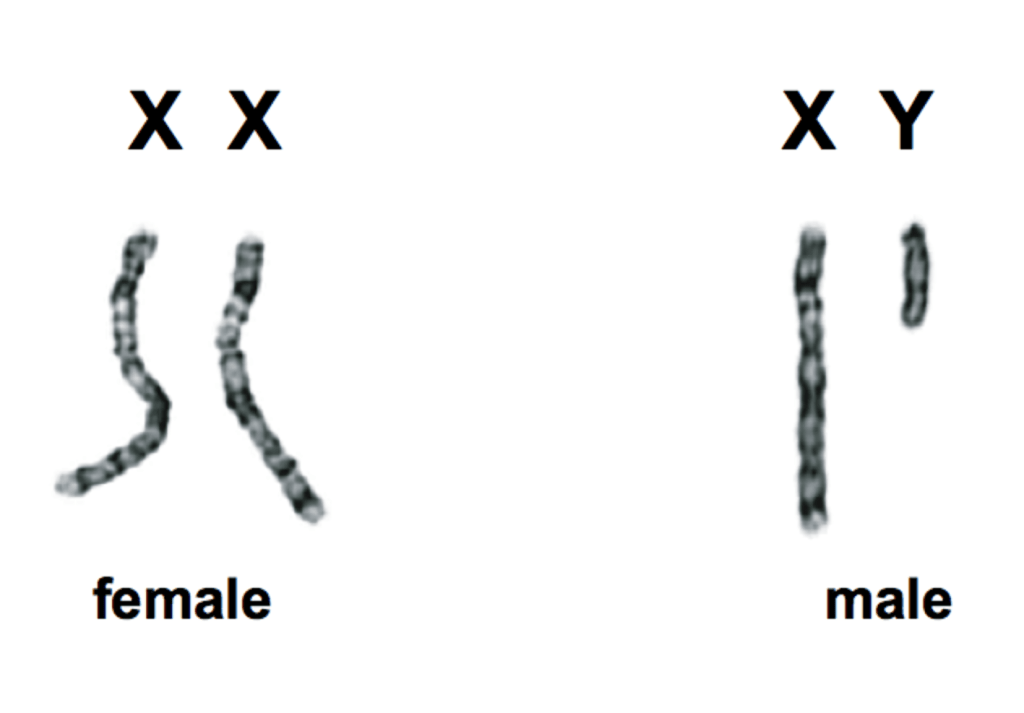
When a gamete is made, it gets one copy of each chromosome, including one sex chromosome. Female egg cells always contain one X chromosome. Half of a man’s sperm cells will contain an X and half will contain a Y. If a sperm cell carrying an X fertilises an egg cell, the baby will be female. If a sperm cell carries a Y fertilises an egg cell, the baby will be male. Sex chromosomes are used for sex determination.
Brothers, sisters and twins
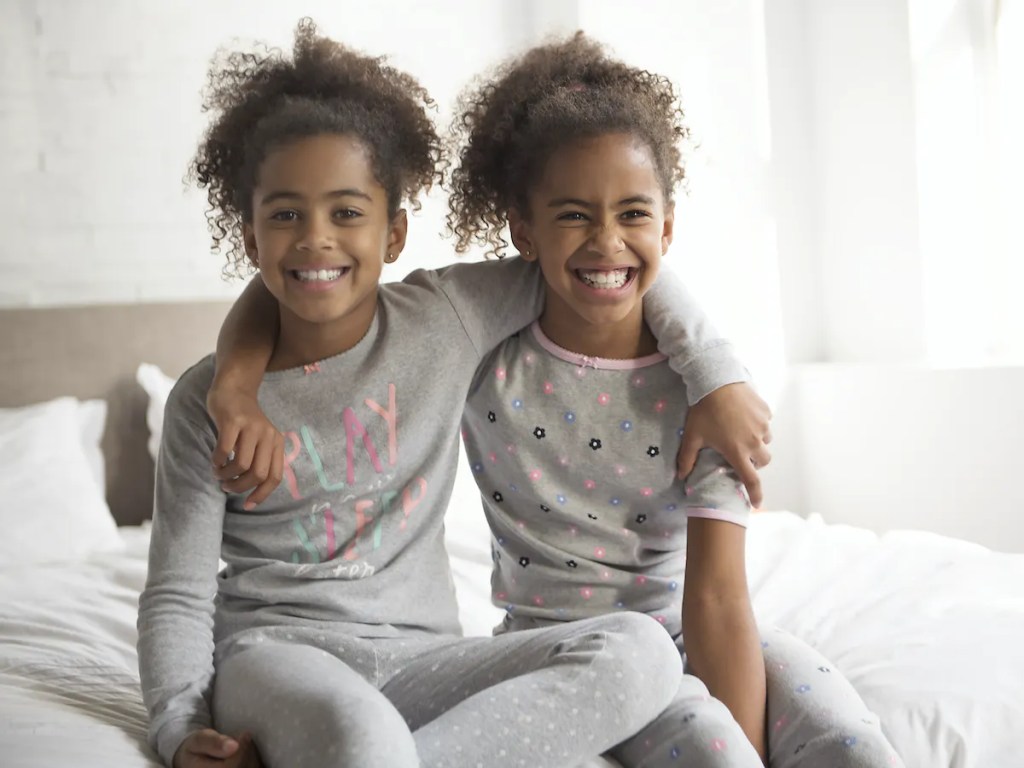
The chromosome that a gamete gets from each pair of chromosomes is random. So, ecah gamete that is made has a different combination of chromosomes. That is why brothers and sisters do not look exactly the same. The onle exception are identical twins, which are formed when a fertilised egg cell splits into two cells, and each cell then develops into an embryo.
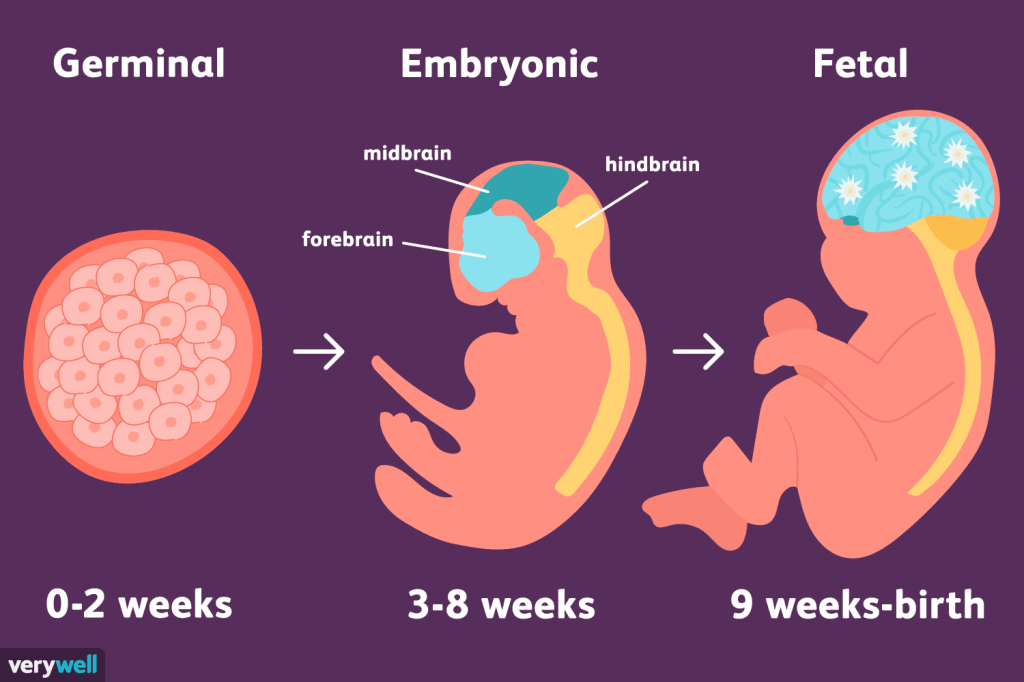
An embryo becomes a fetus
After the embryo has implanted in the uterus lining, cell division continues. During this time, cells also begin to become specialised to form different parts of the body. Betweeon 8 and 10 weeks after fertilisation, the embryo’s organs have formed and its heart has started to beat. The arms and legs also begin to form and the embryo begins to resemble a baby. After this time, the developing baby is called a fetus.
Pregnancy
Adaptation
Adaptation is a characteristic that an organism has to help it survive in a certain ecosystem.
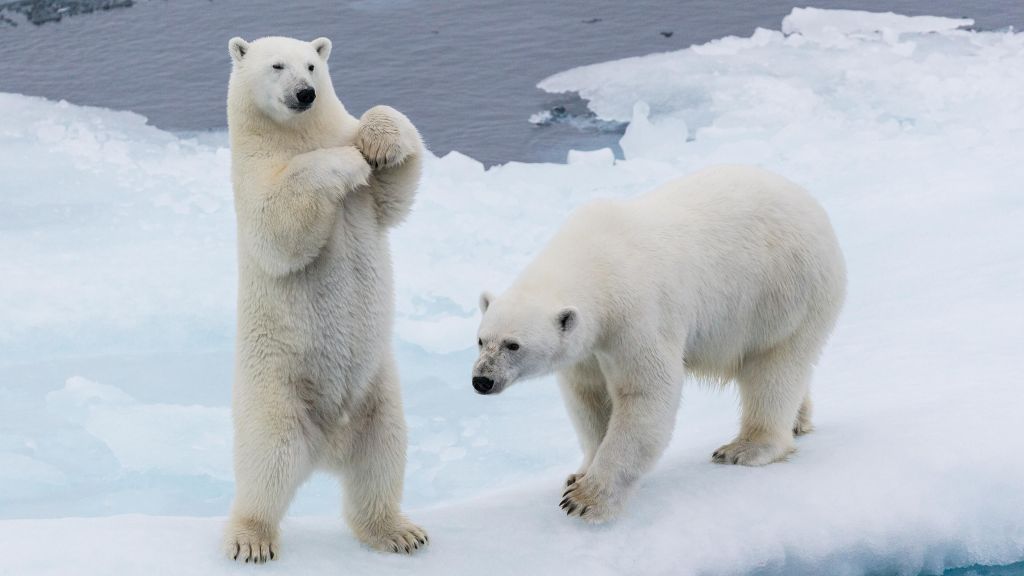
Polar bears live in the cold, snowy Arctic ecosystem. Their adaptations include:
- thich fur (so that they do not lose too much heat)
- white fur (so that they are camuflaged)
- feet with a large surface area (for swimming and to stop them sinking into snow)
Natural selection
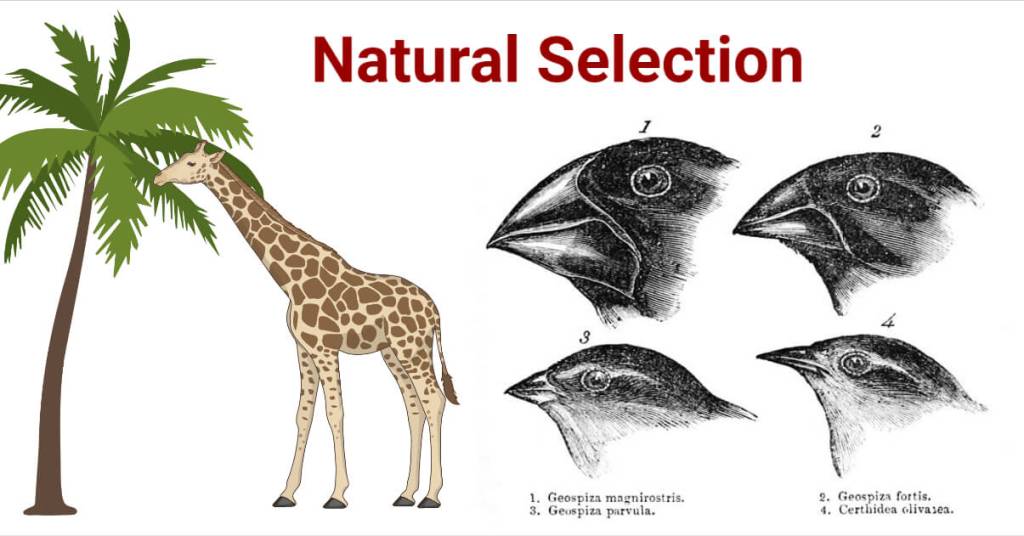
Natural selection is a mechanism of evlution. Organisms that are more adapted to their environment are more likely to survive and pass on the genes that aided their success. This process causes species to change and diverge over time.
Evolution
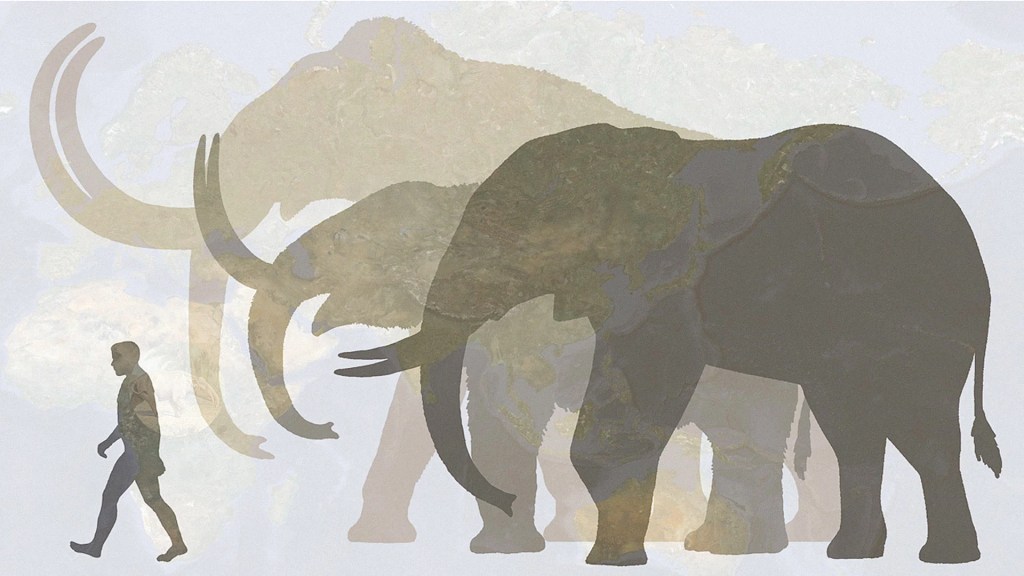
A change in sometihing over time is called evolution. In biology, the word means that the gradual change in the characteristics of a population of organisms. It happens over thousands or millions of years. For example, scientists think that woolly mammoths evolved from an animal called Gomphotherium, which lived 23 million years ago.
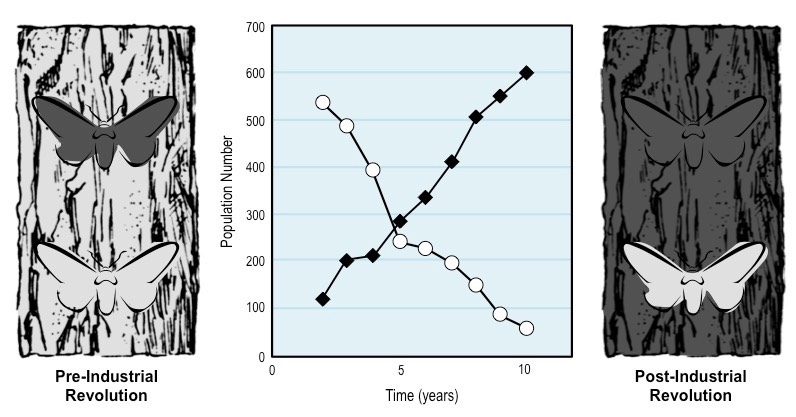
The Peppered Moth – natural selection in action
In the UK, there are two different colours of peppered moth – light and speckled, or dark. The light-coloured moths used to be the most common form throughout Britain. However, during the 19th century, there was a large increase in the number of factories within cities, which were producing large amounts of smoke and soot. This black soot stuck to the walls of bouilding and trees, giving them a much darker appearance. Due to the black soot on trees and buildings, the number of black moths increased in the cities.
 Science in a Nutshell